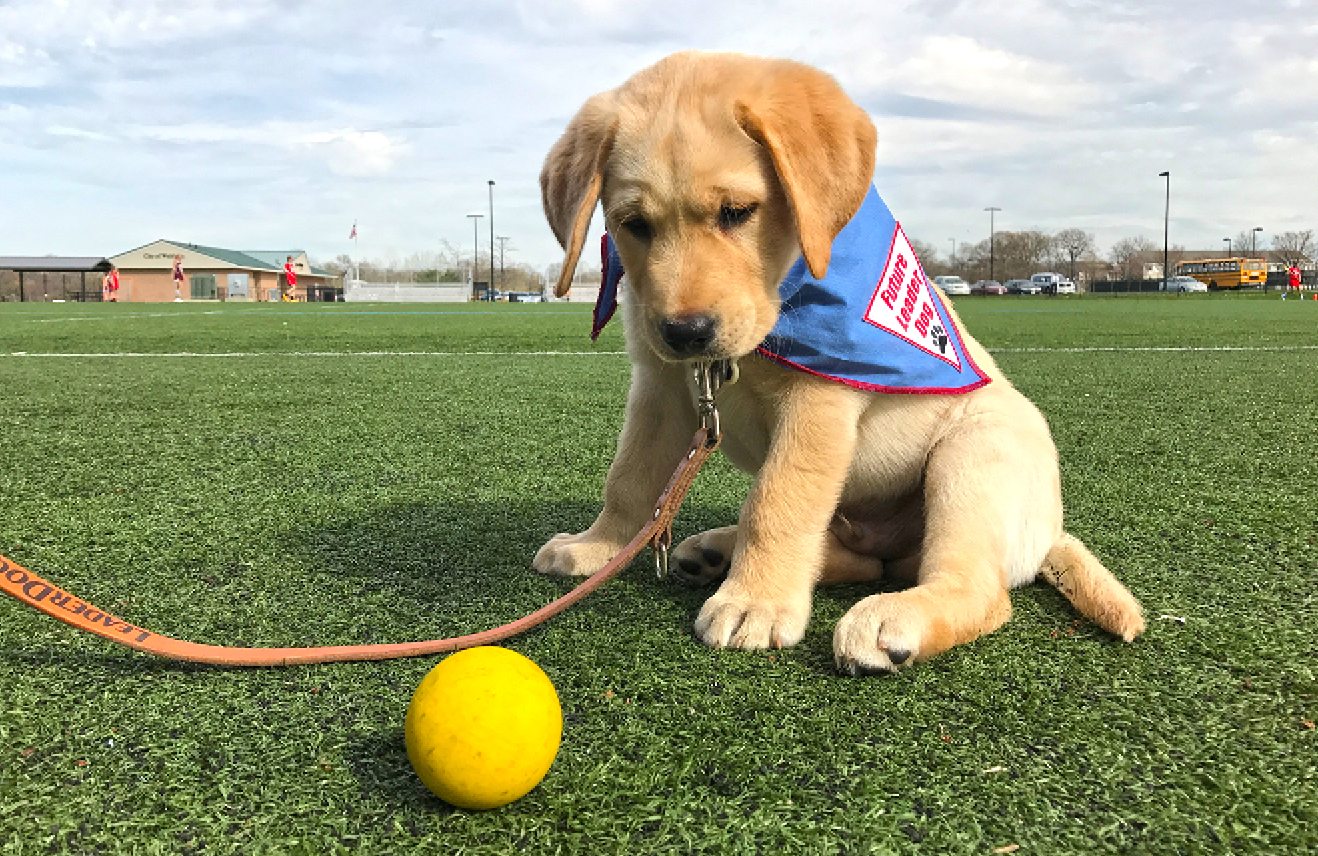
10 Fun Games to Train Your Puppy with Positive Reinforcement
Training your puppy doesn't have to be a chore. In fact, incorporating fun games into your training routine can make the process enjoyable for both you and your furry friend. Positive reinforcement, where you reward your puppy for good behavior, is an effective way to encourage learning. Here are 10 fun games to train your puppy using positive reinforcement:
- Fetch: A classic game that teaches your puppy to retrieve and return. Reward them with treats or praise when they bring the toy back.
- Hide and Seek: Hide somewhere in your home and call your puppy to find you. Celebrate when they do!
- Obstacle Course: Create a course with household items and guide your puppy through it, rewarding them at each checkpoint.
- Simon Says: Teach commands like 'sit' and 'stay' through a fun twist on the classic game.
- Tug-of-War: Use a sturdy rope toy for a lively game while encouraging good bite inhibition with positive reinforcement.
- Guess Which Hand: Hide a treat in one hand and let them guess by smelling it; reward the correct guess!
- Scent Work: Hide treats around the house and let your puppy find them using their nose.
- Musical Chairs: Play music and have your puppy sit when it stops, rewarding their promptness.
- Follow the Leader: Walk around your yard or house and have your puppy follow, rewarding them for staying close.
- Training Tricks: Teach them fun tricks like roll over or play dead, using treats and praise as incentives.
How to Create a Happy Training Environment for Your Puppy
Creating a happy training environment for your puppy is essential to foster their growth and nurture a strong bond between you and your furry friend. Start by establishing a consistent routine that includes designated training times, regular feeding, and play sessions. This sense of structure will help your puppy feel secure and more receptive to learning. Additionally, utilize positive reinforcement techniques; rewarding your puppy with treats, praise, or playtime when they successfully follow commands can enhance their willingness to engage during training.
Moreover, ensure that the training space is safe and comfortable for your puppy. Choose a quiet area with minimal distractions to help them focus on learning new commands and behaviors. Consider incorporating interactive toys or training aids to make the experience enjoyable and stimulating. Lastly, remember to be patient and keep training sessions short, especially for younger puppies. A happy training environment thrives on joy, encouragement, and a sense of achievement, which will ultimately lead to a well-behaved and content pup.
Is Your Puppy Stressed? Tips for Training with a Smile
When you bring a new puppy into your home, it's natural for both you and your furry friend to experience a range of emotions. However, it's crucial to recognize if your puppy is stressed. Common signs include excessive barking, biting, or hiding. By understanding these behaviors, you can implement effective training techniques to ease your puppy's anxiety. Always remember to approach your training sessions with a positive attitude. This will encourage your puppy to associate learning with fun and joy, which is vital for their development.
To create a comfortable environment for your pup, consider the following tips:
- Establish a routine for feeding and bathroom breaks.
- Provide a quiet, cozy space where your puppy can retreat when feeling anxious.
- Use positive reinforcement by rewarding desirable behaviors with treats and praise.
- Incorporate short, fun training sessions to keep your puppy engaged and focused.